

Sauna Science: Health & Longevity
Sauna Science: How Heat Can Boost Your Heart, Brain & Sleep
If you’ve ever stepped out of a hot sauna into a cold night and thought, “Wow, that felt way too good to be just ‘relaxing’,” you’re not wrong.
Over the last decade, researchers—especially in Finland—have been digging into what regular sauna use actually does to the body. The results are impressive: better cardiovascular health, lower blood pressure, improved mood, and better sleep, with some big long-term associations for longevity. Mayo Clinic Proceedings+1
This journal entry breaks down the hard science in plain language and gives you a simple, research-inspired sauna routine you can use in your own Noble Services sauna.
Quick note: This is general information for healthy adults, not medical advice. If you have heart disease, low blood pressure, are pregnant, or take medications that affect your circulation or hydration, talk to your doctor before using a sauna.

What Actually Happens to Your Body in a Sauna?
A traditional dry sauna (like the ones Noble Services builds) typically runs around 70–90°C (160–195°F) at head height. Mayo Clinic Proceedings+1
Within a few minutes:
Your skin temperature rises sharply, and your core temperature climbs by about 1–2°C.
Your heart rate increases to the equivalent of a light to moderate jog—often 100–150 beats per minute. Mayo Clinic Proceedings
Blood vessels in the skin dilate, increasing circulation.
You start to sweat heavily, losing water and some electrolytes.
In other words, you’re getting a controlled “heat workout” while sitting still. Researchers call this passive heat therapy or thermal stress, and it seems to trigger many of the same pathways as exercise: improved blood vessel function, activation of heat shock proteins, and mild hormetic stress that can help the body adapt and repair. Mayo Clinic Proceedings+1
The Big Wins: Evidence-Backed Benefits of Regular Sauna Use
1. Heart & Blood Vessels: A “Cardio Shortcut” (But Not a Replacement)
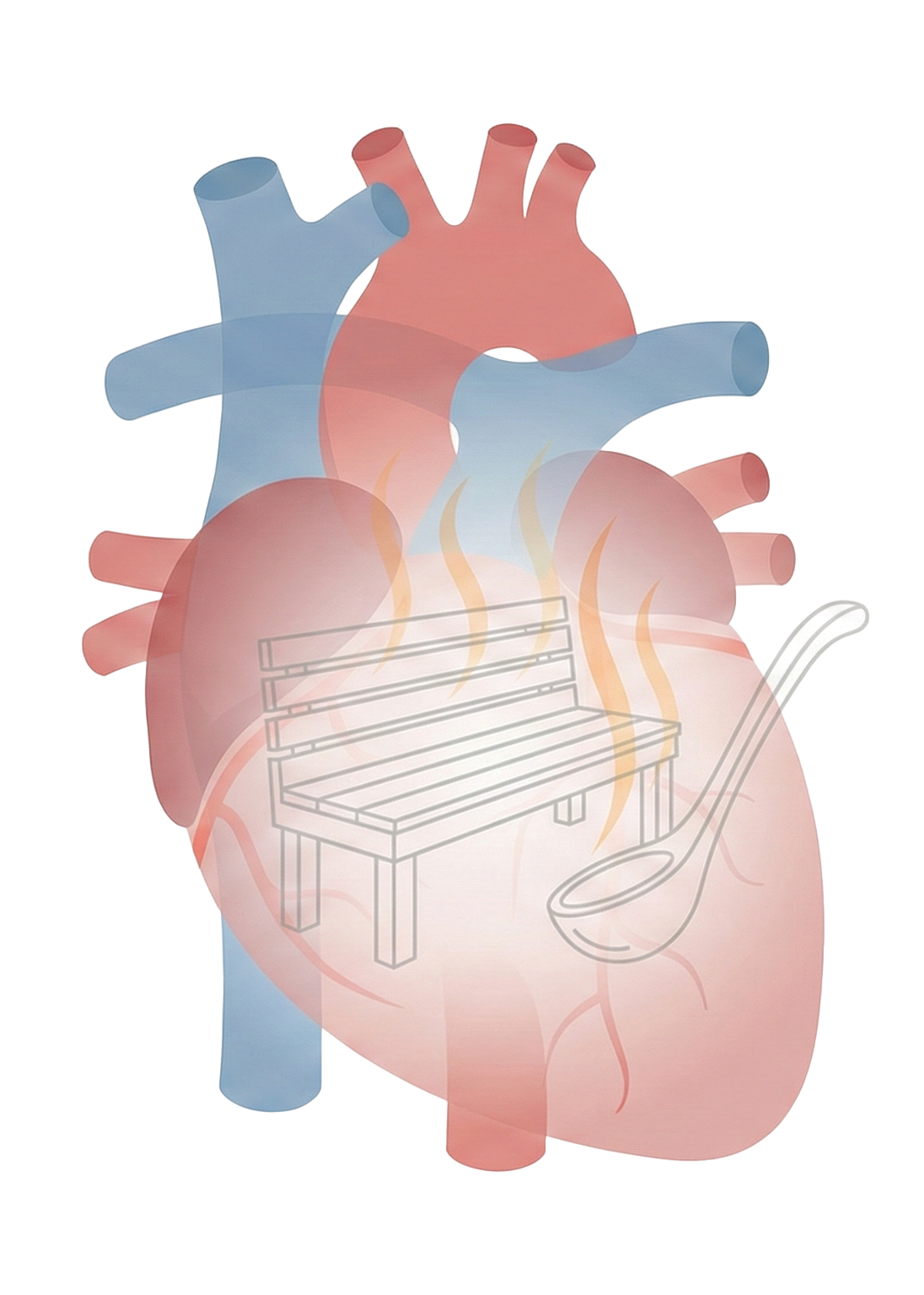
One of the most famous sauna studies followed 2,315 Finnish men for about 20 years. Those who used a sauna 4–7 times per week had:
~63% lower risk of sudden cardiac death
~48% lower risk of fatal coronary heart disease
~40% lower risk of all-cause mortality
compared to those who only used the sauna once a week. PubMed+1
Other research and reviews have found that regular sauna use is associated with:
Lower rates of fatal cardiovascular disease
Reduced risk of high blood pressure and improved arterial stiffness
Better overall cardiovascular fitness when combined with exercise Mayo Clinic Proceedings+2PMC+2
More recently, a meta-analysis found that sauna bathing can reduce blood pressure by a few mmHg on average in healthy adults—small but meaningful changes at a population level. ScienceDirect+1
Translation: Sauna isn’t a magic cure, but used consistently it seems to act like “extra reps” for your cardiovascular system.
2. Brain, Mood & Mental Health

Heat doesn’t just work on your heart—it also appears to help your brain and mood.
Studies and reviews have found that regular sauna use is linked with:
Improved mental well-being and lower stress, with regular users reporting less anxiety and better overall mood eMentalHealth.ca Resource Directory+1
Reduced risk of psychotic disorders and possibly depression symptoms in long-term observational data PMC+2European Society of Medicine -+2
Measurable changes in brain activity and subjective feelings of relaxation and altered, pleasant body sensations after sauna sessions PMC
The mechanisms aren’t fully mapped, but likely involve:
Heat-induced endorphin release
Changes in autonomic nervous system balance (more “rest and digest,” less “fight or flight”)
Increased heat shock proteins that may protect brain cells over time ScienceDirect+1
3. Better Sleep
Several studies and surveys report that sauna users sleep deeper and longer on sauna days:
A review of dry sauna health effects noted improvements in sleep quality lasting 1–2 nights after a session. eMentalHealth.ca Resource Directory+1
A global sauna survey found many users specifically noticed better sleep and more relaxation, especially in Finland, Australia, and the U.S. New York Post
Why? When you heat up the body and then cool down afterward, your core temperature drops faster, which is one of the body’s key signals to fall asleep. New York Post
For Calgary life: an evening sauna, followed by a cool shower and stepping out into crisp night air, can be an ideal wind-down ritual.
4. Metabolism, Recovery & “Feeling Less Beat-Up”

Research is still emerging, but small trials suggest sauna and other heat therapies can:
Improve cardiorespiratory fitness and cholesterol when added to exercise programs PubMed+2Physiological Journals+2
Reduce markers of inflammation and improve measures like HbA1c in people with metabolic disease (in some heat therapy studies) European Society of Medicine -+1
Help with muscle soreness and recovery, at least in part through better circulation and relaxation PMC+1
We should be honest: some marketing claims (especially around “detox”) go beyond the evidence. Your liver and kidneys do the heavy detox lifting; sweat plays a minor supporting role. The best-supported benefits are cardiovascular, mental, and sleep-related.
How Often & How Long? A Research-Inspired Sauna Routine
Every body is different, but the science gives us some pretty consistent guardrails.
Most of the large Finnish studies and surveys are based on:
Temperature: 60–90°C (140–194°F), typically around 70–80°C (160–176°F) for electric saunas
Duration: 10–20 minutes per session
Frequency: Anywhere from 1–7 times per week, with more frequent use showing the biggest benefits in long-term studies Mayo Clinic Proceedings+2Health+2
A Simple “Noble Sauna Protocol” for Healthy Adults
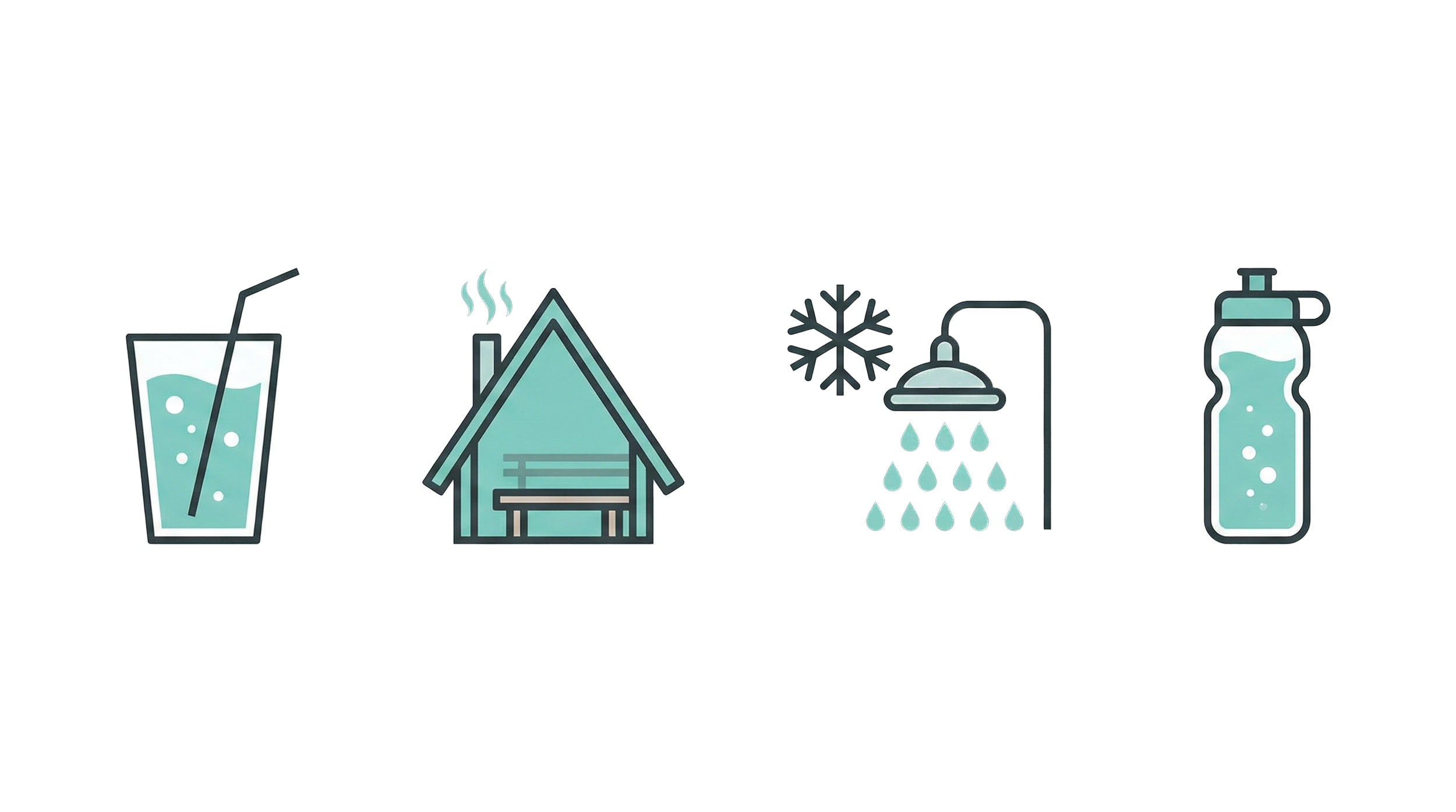
Again, check with your doctor if you have medical issues. But for most healthy adults, a solid, science-inspired routine might look like this:
Pre-sauna (5–10 minutes)
Hydrate with a glass of water.
Rinse off in a warm shower if you like to avoid dirt/grime in your sauna
Heat phase (10–20 minutes)
Set your Noble Sauna to around 70–80°C (160–176°F) to start.
Start on a lower or middle bench; higher benches are hotter.
Stay for 10–15 minutes initially; you can build toward 20 minutes as you adapt.
Listen to your body: if you feel dizzy, nauseated, or “off,” step out immediately.
Cool-down (5–10 minutes)
Step out into cool air (hello, Calgary Winter!).
Take a cool—not extreme—shower or use a plunge if you’re comfortable with contrast.
Sit, breathe, and let your heart rate come down.
Repeat (optional)
Many people enjoy 2–3 rounds of heat + cool.
Total sauna “time in heat” for the evening for most research protocols is around 20–40 minutes.
Post-sauna
Rehydrate with water or an electrolyte drink.
Avoid heavy meals or alcohol right away. Fasting is recommended regularly (find your pace).
If you’re using sauna for sleep, try to finish 1–2 hours before bed so your body can cool gradually.
Frequency sweet spot: For many people, 2–4 sessions per week hits a nice balance between benefits and practicality. Long-term research showing the biggest cardiovascular gains often used 4+ sessions per week, but you don’t have to start there. PubMed+1
Who Should Be Careful (or Talk to a Doctor First)
Sauna is safe for most healthy adults when used sensibly, but there are red flags where you should get medical clearance first: Mayo Clinic Proceedings+1
Unstable or severe heart disease
Very low blood pressure or a history of fainting
Uncontrolled hypertension
Pregnancy (research is limited; follow your care provider’s guidance)
Use of medications that affect hydration, blood pressure, or temperature regulation (like some diuretics, beta blockers, or stimulants)
Basic safety rules:
Don’t sauna under the influence of alcohol or drugs.
Don’t push through dizziness, chest pain, or feeling unwell—get out and cool down.
Children and older adults may need lower temperatures and shorter sessions, under supervision and medical advice if needed.
Why a Well-Built Sauna Matters

A lot of the research is based on proper Finnish-style saunas: insulated walls, well-controlled heat, good ventilation.
That’s exactly why Noble Services builds saunas as small, real buildings, not thin single-wall boxes:
Insulated 2x4 walls help you reach and maintain effective temperatures without fighting the weather.
Proper vapor barriers and sealing protect the structure from years of high heat and humidity.
Smart bench layouts and window placements let you actually relax and enjoy the views while your heart and brain get the benefits.
The better your sauna holds heat and shields you from the elements, the easier it is to create a repeatable routine—the thing that really drives the health benefits.
Bringing Sauna Science Home
If you take away one idea, let it be this:
The benefits come from consistent, sensible use over months and years—not from one heroic 30-minute sweat.
Build a rhythm that fits your life and style.
A morning heat before a cold, clear day.
A post-work routine to unwind and reset.
A winter evening ritual with your own backyard glowing in the snow.
Find your rhythm and you will find health
And if you’re ready to build a sauna designed for real, long-term use—not a flimsy kit—Noble Services can help you create a Somnium, Vitalis, Aether, Stratos, or fully custom design that turns all this research into part of your daily life.