

Electric vs Wood-Fired Sauna Heaters
Which One Belongs in Your Sauna?
When people picture a “real” sauna, they usually imagine one of two things:
A glowing electric heater you set with a dial or app
A crackling wood-fired stove with logs stacked nearby
Both are wonderful. Both can give you that deep, head-to-toe heat. But in Alberta—where winters are cold, yards are tight, and code matters—the right choice depends a lot on how and where you’ll use your sauna.
This guide breaks down electric vs wood-fired heaters for everyone - especially those that live in Alberta Canada, with real-world pros and cons, cost clues, and what we usually recommend for Noble Services saunas.
Quick note: This is general information, not electrical or code advice. Always work with a licensed electrician or certified installer and confirm requirements with your municipality and insurance provider.
The Short Version: Electric vs Wood-Fired at a Glance
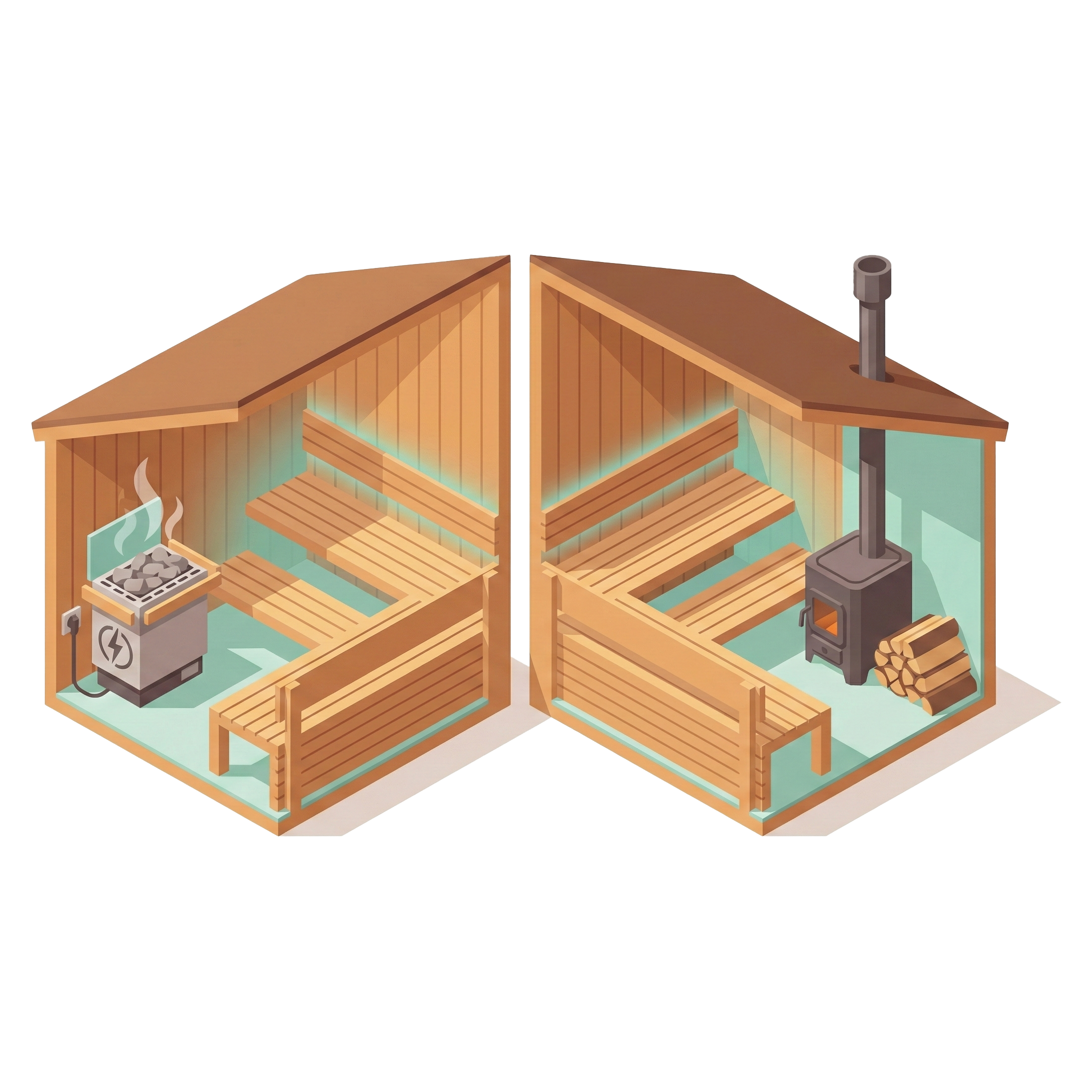
Electric sauna heater – best for most Calgary backyards
Fast, convenient, clean to operate
Precise temperature control and timers Northern-Hot-Tubs
Simpler for city lots (no chimney, fewer insurance headaches) CSA Group+1
Relies on your electrical panel and power grid
Wood-fired sauna stove – best for acreages & ritual lovers
Romantic flame, smell of wood, and “cabin” atmosphere SaunaTimes+1
Works during power outages
Needs chimney/flue, clearances, and careful code compliance (CSA B365 etc.) Facebook+3Bsaunas+3ccme.ca+3
More hands-on (firewood, lighting, tending the fire)
If you live on a typical Calgary city lot and want easy, frequent use, electric almost always wins.
If you’ve got land, wood, and time and love the ritual, wood-fired can be incredible.
First, How Hot Is a “Real” Sauna?
Traditional Finnish-style saunas—whether electric or wood-fired—usually run around 65–90°C (150–195°F). Plunge+3Finnish Sauna Builders+3FINLAND, NATURALLY+3
In Canada, electric sauna heaters are limited by CSA standards and typically capped at 90°C (194°F) at the sensor level. Nootka Saunas+1
Wood-fired heaters can sometimes push a bit hotter near the ceiling or stones, but the usable room temperature range for both is basically the same. The difference is feel and experience, not just the thermometer.
Electric Sauna Heaters: Turnkey Convenience
Electric heaters are what most people in cities and suburbs end up choosing—and for good reason.
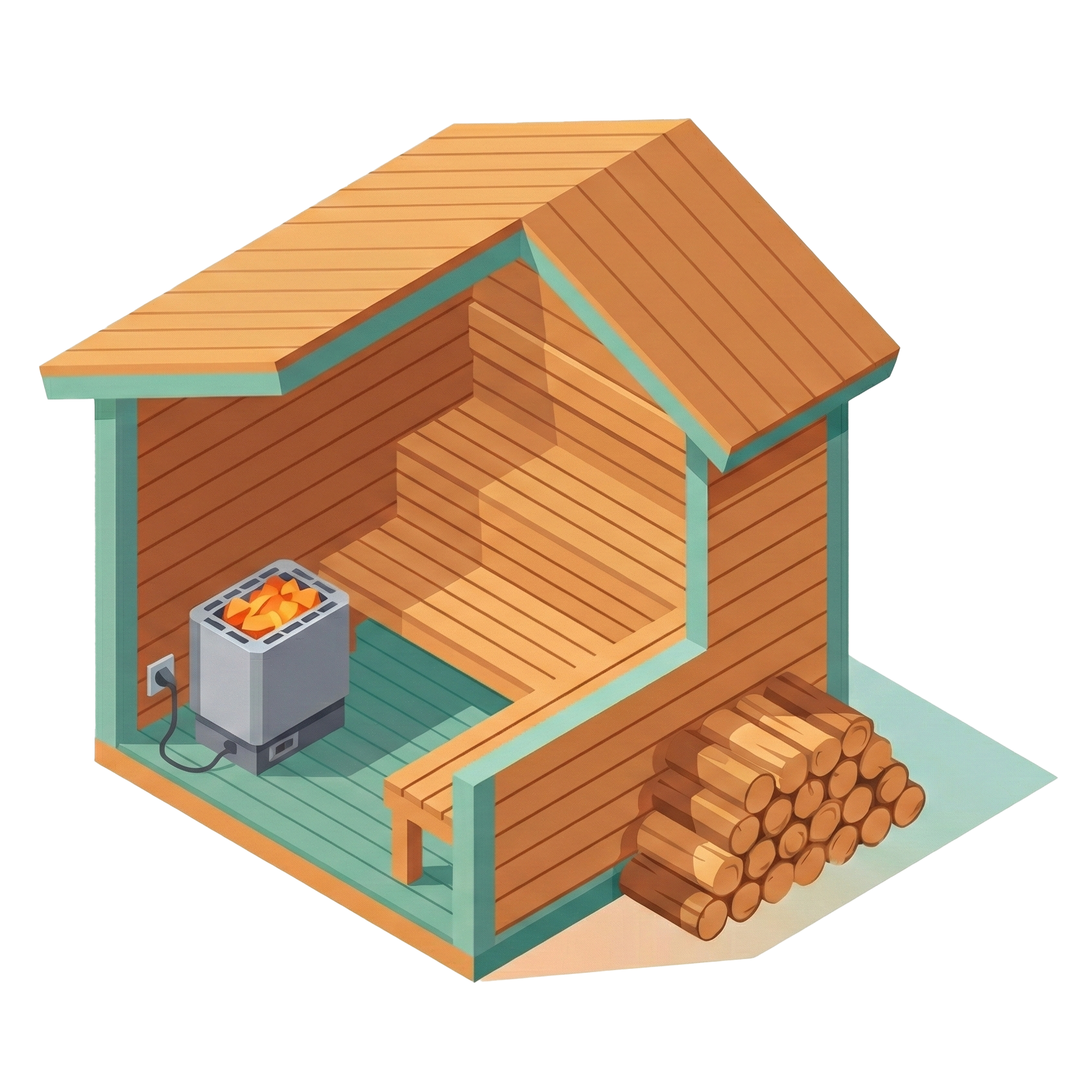
What You Get with Electric
Set-and-forget operation
Modern electric heaters often have built-in controls or wall-mounted controllers. You dial in your temperature, set a timer, and let it handle the rest. Northern-Hot-Tubs+1Faster heat-up
Electric heaters generally bring the sauna up to temperature more quickly than wood-fired stoves, especially in well-insulated rooms. Northern-Hot-Tubs+1Clean air & simple maintenance
No smoke, no ash, no chimney sweeping. Just stones, wiring, and the occasional stone replacement.Consistent, repeatable sessions
Because the output is controlled, it’s easy to create a routine:
“Turn it on 45 minutes before I’m done work, hit 75–85°C, 20-minute session, cool down, bed.”
The Trade-Offs
Electric panel capacity & trenching
You’ll need a suitable breaker and cable run to your sauna. In some older homes, that means panel upgrades or creative electrical planning. littlebuildingcompany.ca+1Dependent on the grid
If power goes out on the coldest night of the year, your electric heater goes out too.Operating cost
In Canadian examples, a traditional electric sauna might cost roughly $1–2 per session or about $30–$50 per month with regular use, depending on local electricity rates and usage. littlebuildingcompany.ca+1
For most Noble Services clients in Calgary, electric gives the best balance of simplicity, reliability, and code-friendliness.
Wood-Fired Stoves: Flames, Ritual, and Off-Grid Freedom
Wood-fired saunas are the classic Finnish image: a small building by a lake, chimney puffing, fire crackling.
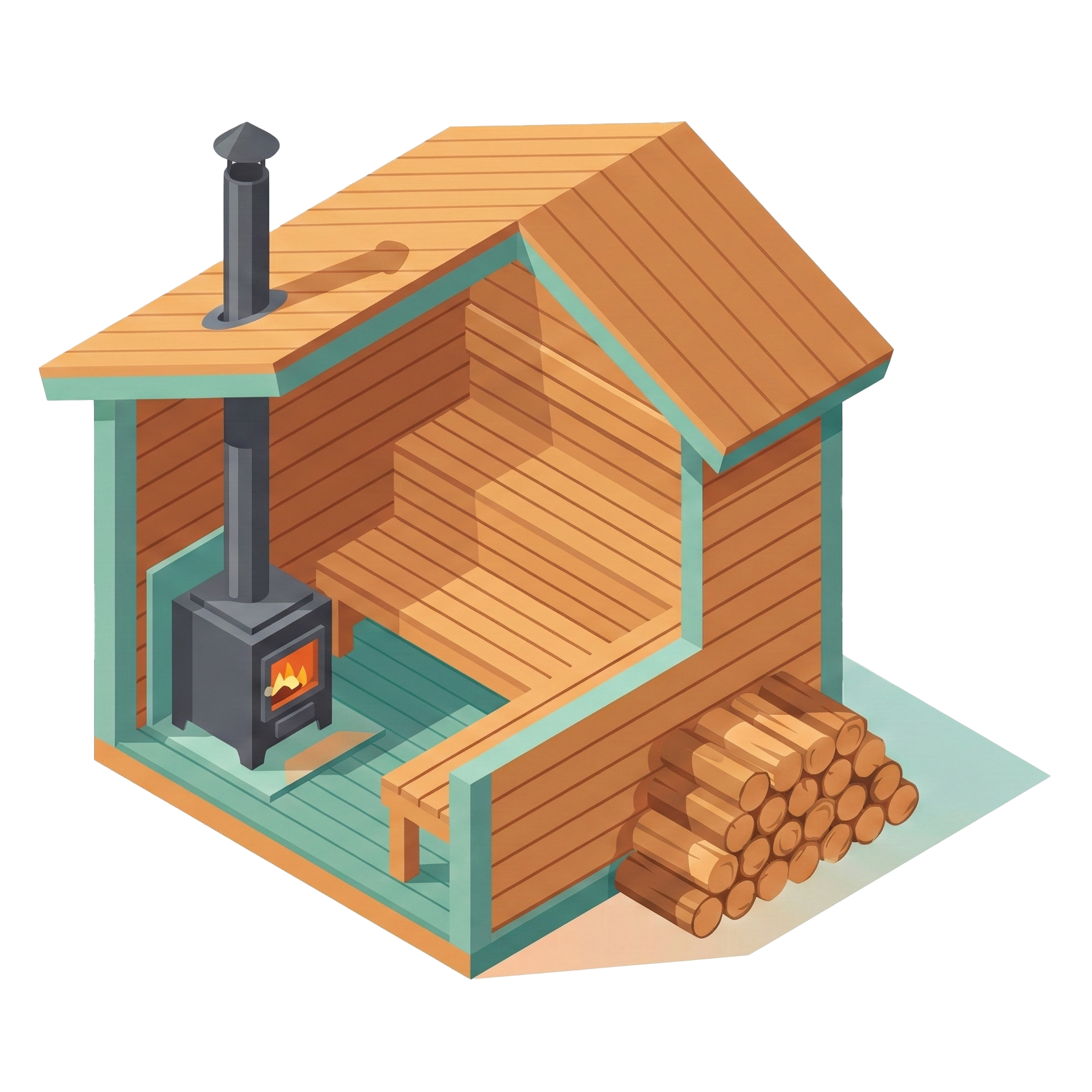
Why People Love Wood-Fired
Atmosphere & ritual
Many sauna enthusiasts describe wood heat as “smoother” and more enveloping, with a ritual they actually look forward to—splitting wood, starting the fire, tending the coals. SaunaTimes+1Off-grid ready
Perfect for cabins, acreages, or properties where you don’t want to run a heavy electrical line.Fresh air cycling
A wood fire needs oxygen, which can encourage better air movement through the room when designed correctly. SaunaTimes
The Realities in Alberta - and Likely Around The World
Chimney, clearances, and CSA B365
In Canada, solid-fuel appliances fall under standards like CSA B365 for installation. Clearances from stoves to combustibles can be substantial, and uncertified heaters/installs can cause insurance headaches. Facebook+3Bsaunas+3ccme.ca+3Not all imported stoves are certified
Many beautiful Finnish wood stoves are not CSA or UL certified, which means more caution, more consultation, and sometimes higher insurance scrutiny. Facebook+1Fuel cost & storage
If you have your own wood and space to store it, running costs can be low. If you’re buying quality firewood in the city and having it delivered, costs add up quickly. Some comparisons put wood-fired running costs around $20–$40 per month in rural areas, but the total can reach $60–100 per month in urban settings where wood is expensive. JacuzziTime & effort
Expect 1–2 hours to bring a wood-fired sauna from cold to fully hot, with tending along the way. It’s a beautiful ritual if you enjoy it—but it’s not “quick post-gym session” convenience.
For clients on acreages, lakes, or rural properties who love working with fire and want the most traditional experience possible, a wood-fired stove can be magical—as long as it’s designed and installed correctly.
Operating Costs: What Will It Actually Cost to Run?

Exact costs depend on Alberta’s current electricity prices, your firewood situation, and how often you sauna—but we can work with ballpark ranges from Canadian and North American sources:
Electric
Often around $1–2 per session or $30–$50 per month for regular home use. littlebuildingcompany.ca+1
Very predictable and easy to estimate.
Wood-fired
If you have cheap or free wood, it can be very economical.
With purchased, delivered firewood in urban settings, costs can reach $60–100 per month for frequent use. Jacuzzi
From a purely dollars-per-session perspective, both can be reasonable. The bigger decision is really about convenience vs ritual and your specific property.
Code, Safety, and Insurance: The Boring Stuff That Matters
Electric Heaters
Must comply with applicable electrical codes and standards like CSA C22.2 No. 164 for electric sauna heating equipment. CSA Group+1
Always require installation by a licensed electrician.
Often simpler for insurance and permitting because they’re standardized, certified appliances.
Wood-Fired Stoves
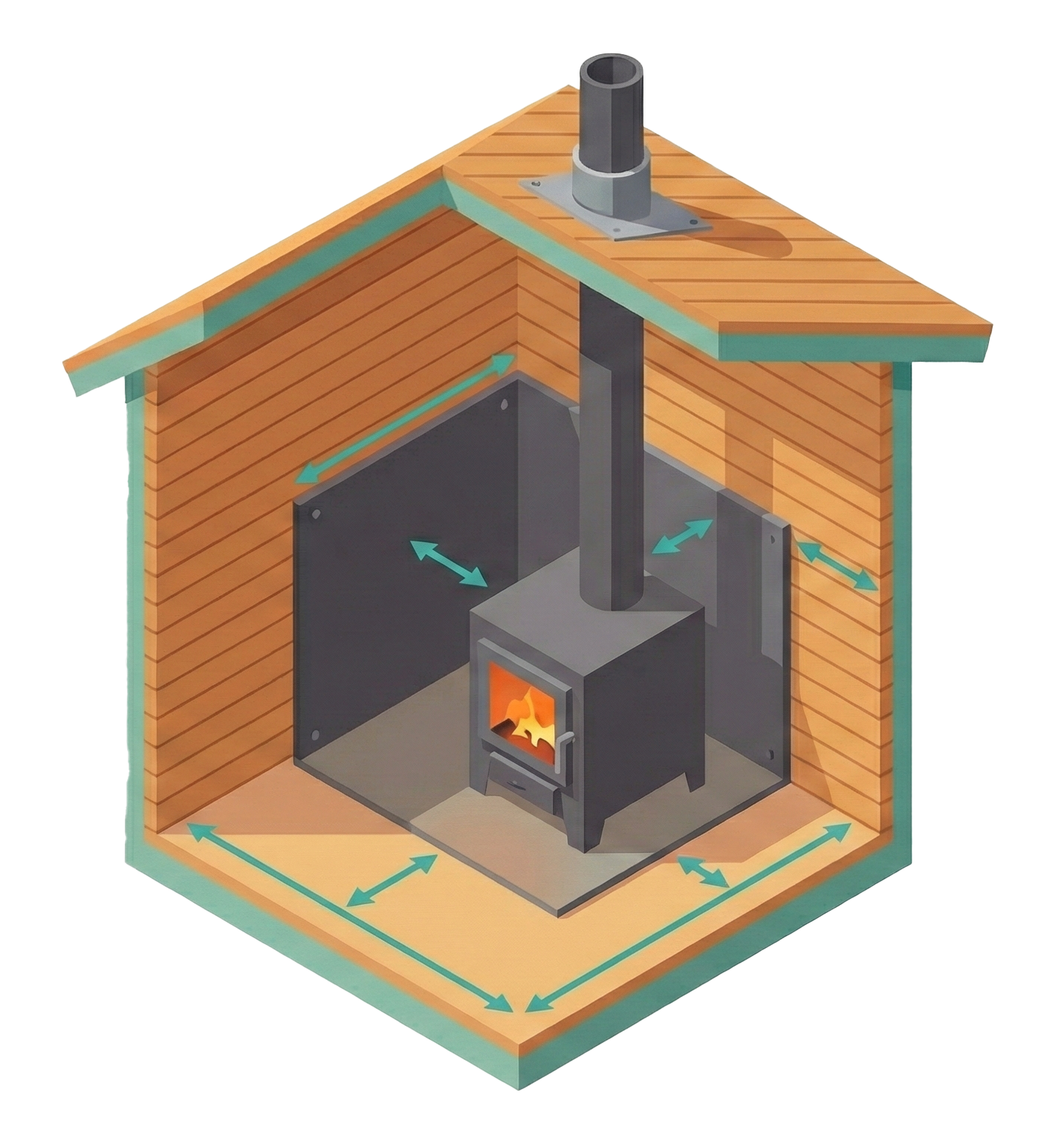
Installations often reference CSA B365 (solid fuel installation code) and other local bylaws. Bsaunas+2ccme.ca+2
Clearances to combustibles, chimney routing, and floor protection all have specific requirements.
Many insurers look closely at uncertified or DIY solid-fuel installs and may refuse coverage or require inspections. Bsaunas+1
For Noble Services builds, we treat heater choice as part of the design and permitting conversation, not an afterthought. We’ll help you decide what’s realistic and safe for your site, then coordinate with the appropriate trades.
Which One Fits You?
Here’s a simple way to think about it:
Choose Electric if:
You live on a typical Calgary city lot
You want to use your sauna 2–4 times per week without much planning
You prefer a clean, quiet, low-maintenance setup
You’re happy to rely on your electrical panel instead of stacking wood
Choose Wood-Fired if:
You’re on an acreage, lake lot, or rural property
You have easy access to firewood and storage
You love the ritual of lighting and tending a fire and don’t mind the extra time
You’re ready to navigate chimney, code, and insurance details
Either way, the key is pairing the heater with a properly built, insulated sauna so you’re not wasting energy fighting thin walls and leaks.
Noble Services: Our Take
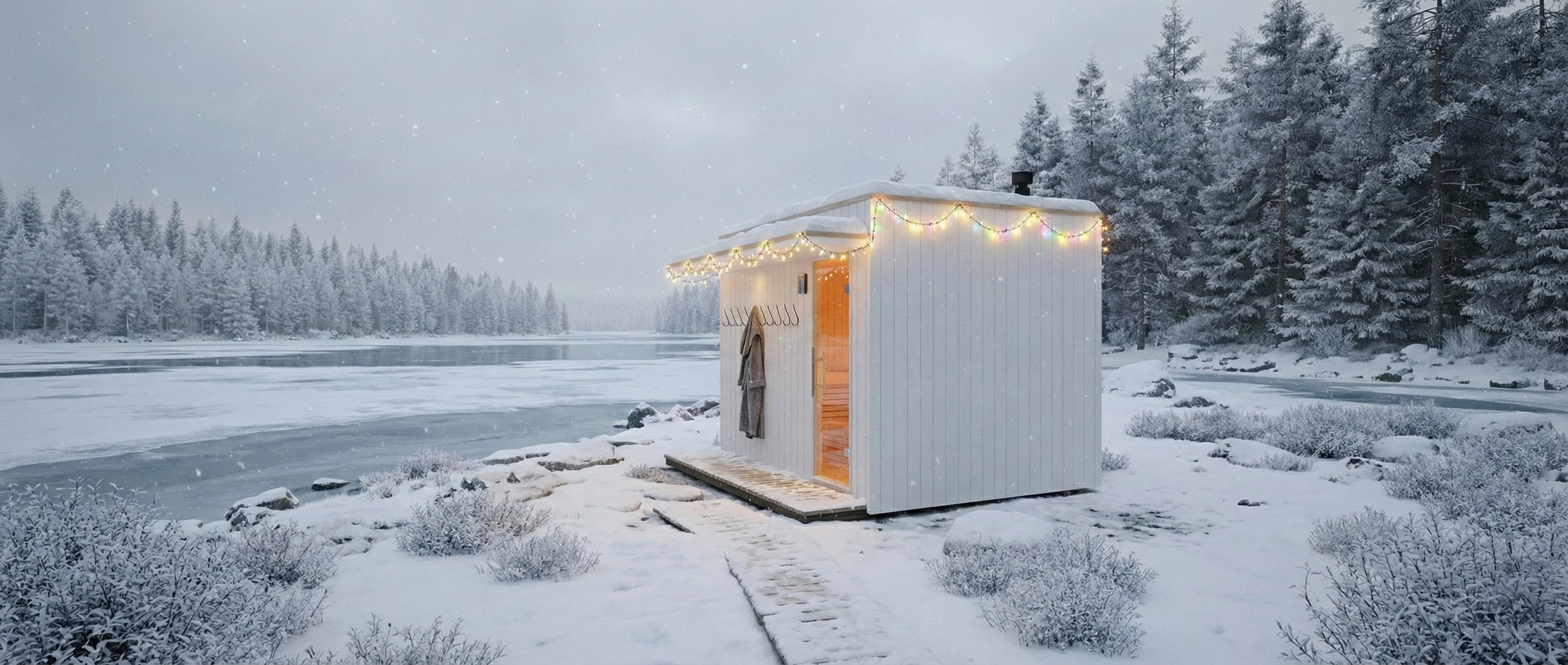
Noble Somnium Sauna - White Stain
Because we design and build saunas as small, serious buildings—insulated 2x4 walls, proper vapor barriers, high-quality windows and doors—we can make either heater work.
In practice, for most Calgary clients we recommend:
Electric heaters for Somnium, Vitalis, Aether and similar backyard builds within the city
Wood-fired options considered case-by-case for rural projects, cabins, or very specific “off-grid retreat” builds
The goal is always the same: a sauna that feels solid, quiet, and effortlessly hot, night after night, year after year.
If you’re not sure which direction makes sense for your yard, we’re happy to walk through the options during a design consult.